
Costa del Sol · Spain
Located on the western shore of the Mar Menor, Los Alcázares is a coastal spa town in the Region of Murcia that perfectly blends traditional Spanish charm with modern amenities. Originally a fishing village, this municipality of over 15,000 residents enjoys a unique microclimate and shallow, warm waters. It offers a relaxed lifestyle just 20 kilometers from the provincial capital.


The municipality covers an area of 20 km² and sits at a low elevation of roughly 7 meters above sea level, creating a flat, easily walkable landscape. Residents have access to a solid range of daily amenities, including 21 restaurants, 9 cafes, and 4 pharmacies. For financial needs, there are 10 bank branches in the area, and dental care is provided by 2 local clinics.
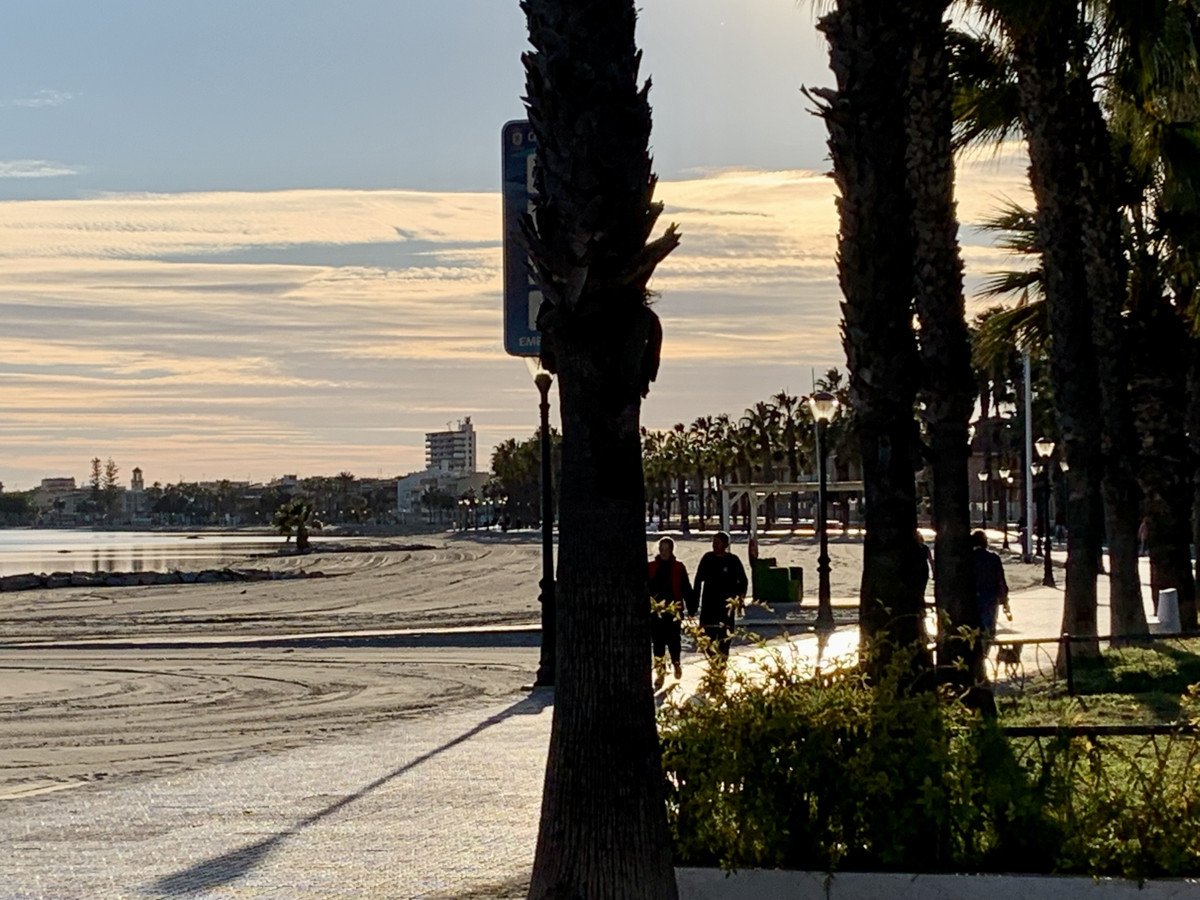
Life here is defined by an outdoor, maritime culture. The promenade (Paseo Marítimo) is the heart of the town, where locals and visitors gather for evening strolls. The town has grown significantly since it officially became an independent municipality on October 13, 1983, separating from Torre-Pacheco and San Javier.
Temperatures are mild in the winter and warm in the summer. The average temperature in January is 11.1°C, while August peaks at an average of 26.0°C. The Mar Menor maintains a higher water temperature than the Mediterranean, extending the swimming season significantly. Spring and autumn are particularly pleasant, with May offering an average temperature of 18.9°C and 288 hours of sunshine.
| Month | °C gem. | °C max | °C min | Rainfall mm | Sun hours |
|---|---|---|---|---|---|
| January | 12.1° | 16.6° | 8.6° | 30 mm | 263h |
| February | 13.2° | 17.5° | 9.7° | 10 mm | 260h |
| March | 14.5° | 18.6° | 11.0° | 55 mm | 296h |
| April | 16.3° | 20.2° | 12.8° | 38 mm | 321h |
| May | 19.5° | 23.4° | 15.8° | 36 mm | 391h |
| June | 23.4° | 27.3° | 19.8° | 9 mm | 402h |
| July | 26.3° | 30.0° | 22.8° | 3 mm | 420h |
| August | 26.8° | 30.5° | 23.4° | 11 mm | 383h |
| September | 24.2° | 27.9° | 21.0° | 48 mm | 326h |
| October | 20.5° | 24.4° | 17.2° | 37 mm | 293h |
| November | 16.1° | 20.4° | 12.7° | 26 mm | 266h |
| December | 13.3° | 17.6° | 9.9° | 37 mm | 248h |
Public transport is robust for a town of this size, with 18 bus lines servicing the area and connecting it to nearby cities like Cartagena and Murcia. There are 55 bus stops within the municipality, ensuring good coverage. The town's flat topography makes it highly accessible for cycling, though specific cycling lanes are still developing compared to larger metropolises.
Cycling: - (gradient 0%)
The area is a designated Specially Protected Area of Mediterranean Importance (SPAMI). The mud flats, particularly at the 'Las Charcas' area, are famous for therapeutic treatments. The environment is semi-arid, typical of the southeast Spanish coast, with distinct flora adapted to the saline conditions.
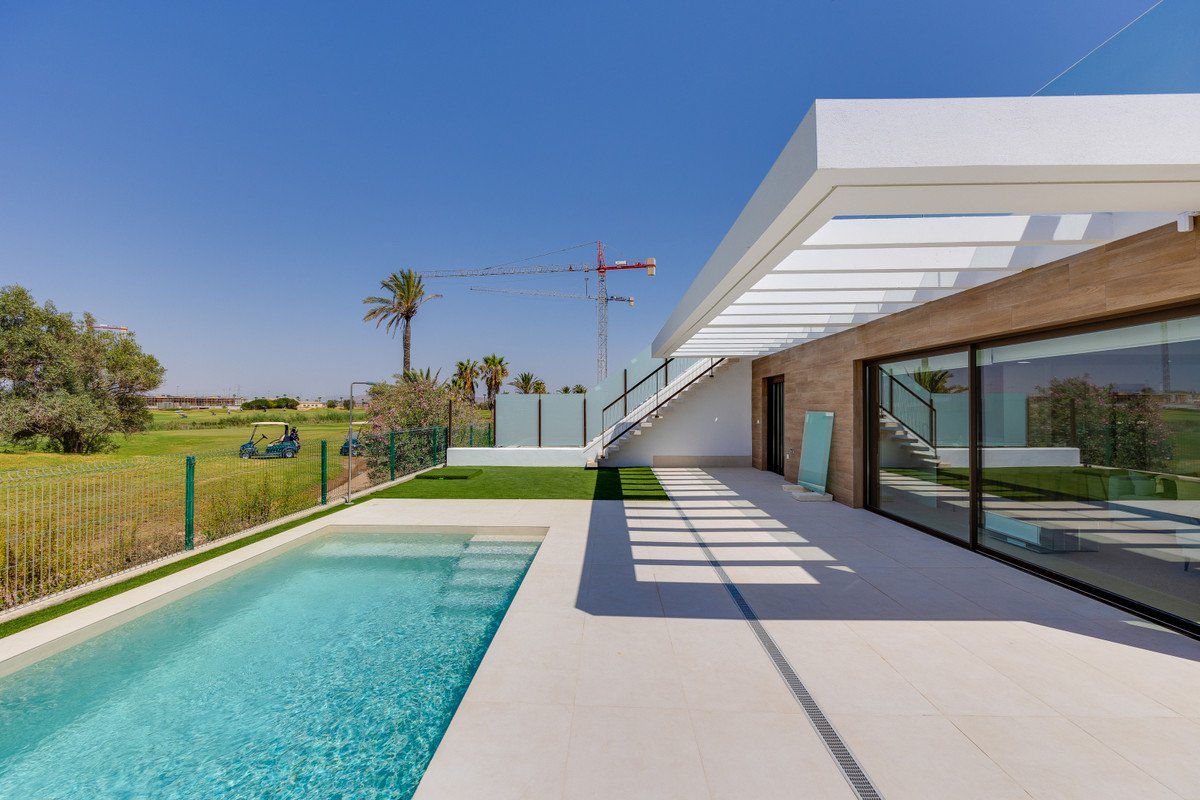
The town is also famous for its thermal mud baths, which are believed to have therapeutic properties for skin and joint conditions. Much of the leisure activity is centered on the 7 kilometers of coastline belonging to the municipality. Golf enthusiasts will find several championship courses in the surrounding Campo de Cartagena area within a short drive.
µg/m³
µg/m³
µg/m³
µg/m³
Real estate is a significant economic driver. The construction of new developments and the rental market provide substantial employment. The proximity to the Murcia-San Javier airport and the AP-7 motorway has opened the area to significant foreign investment in recent years.
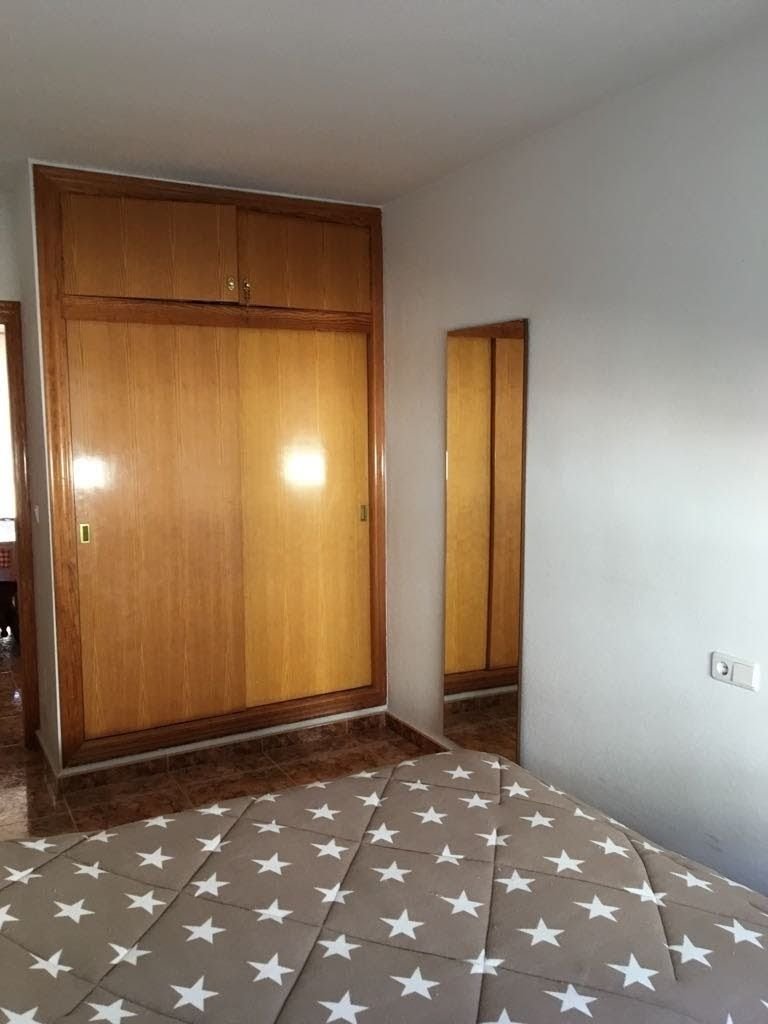
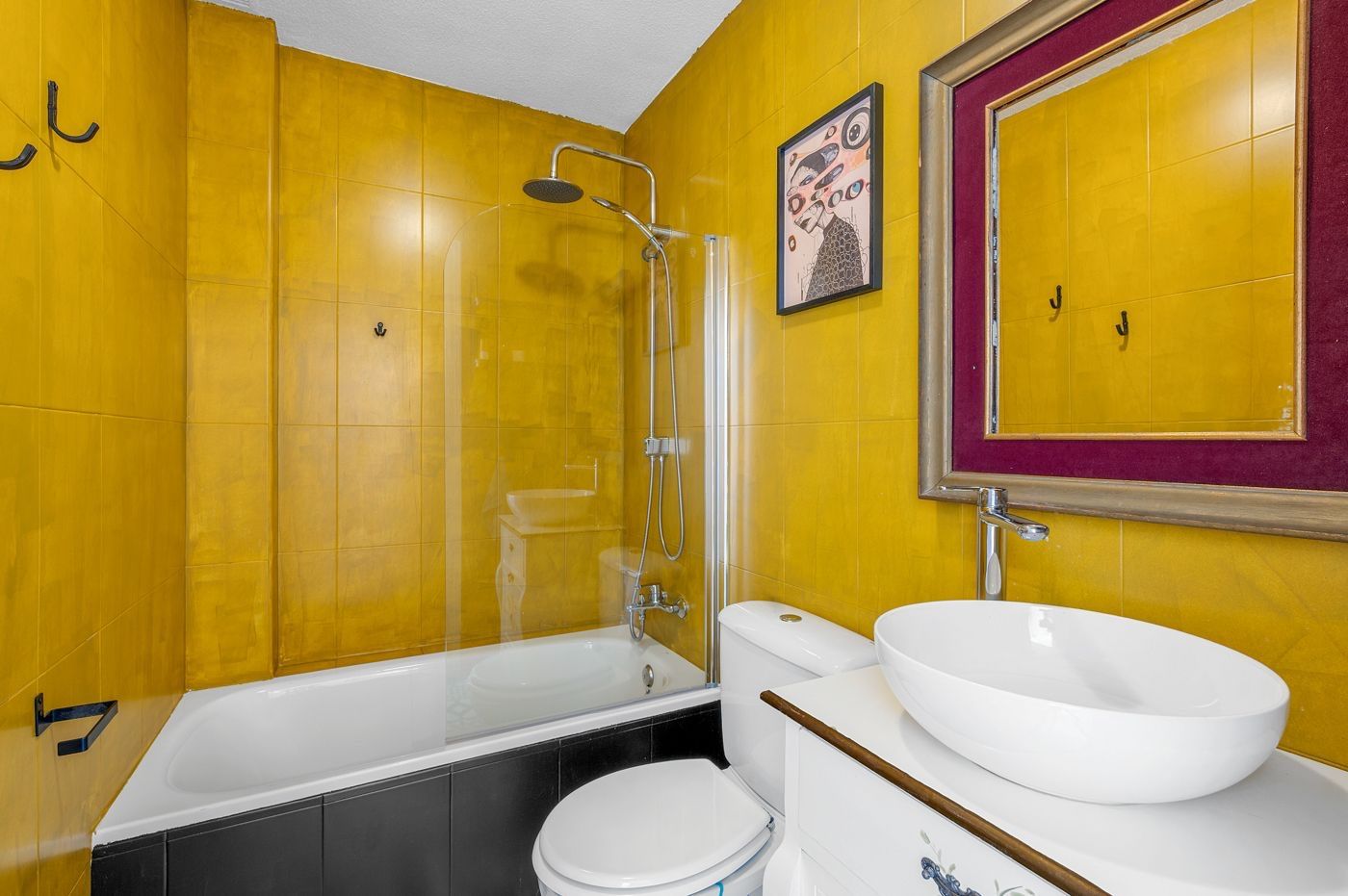
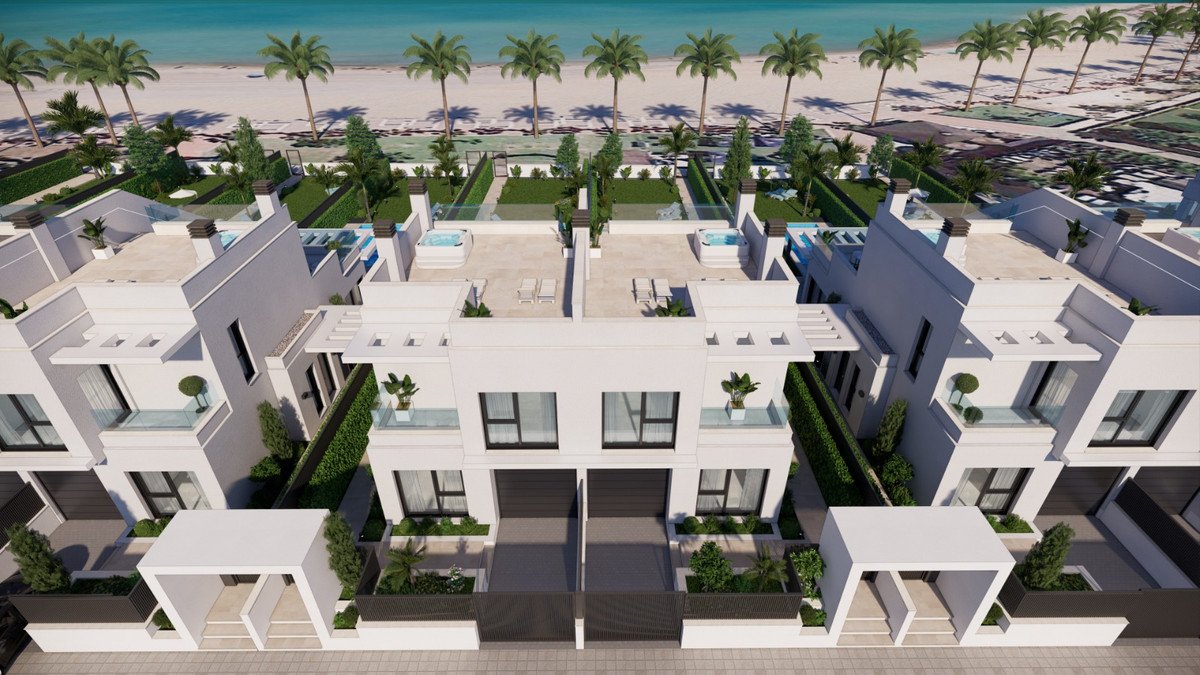
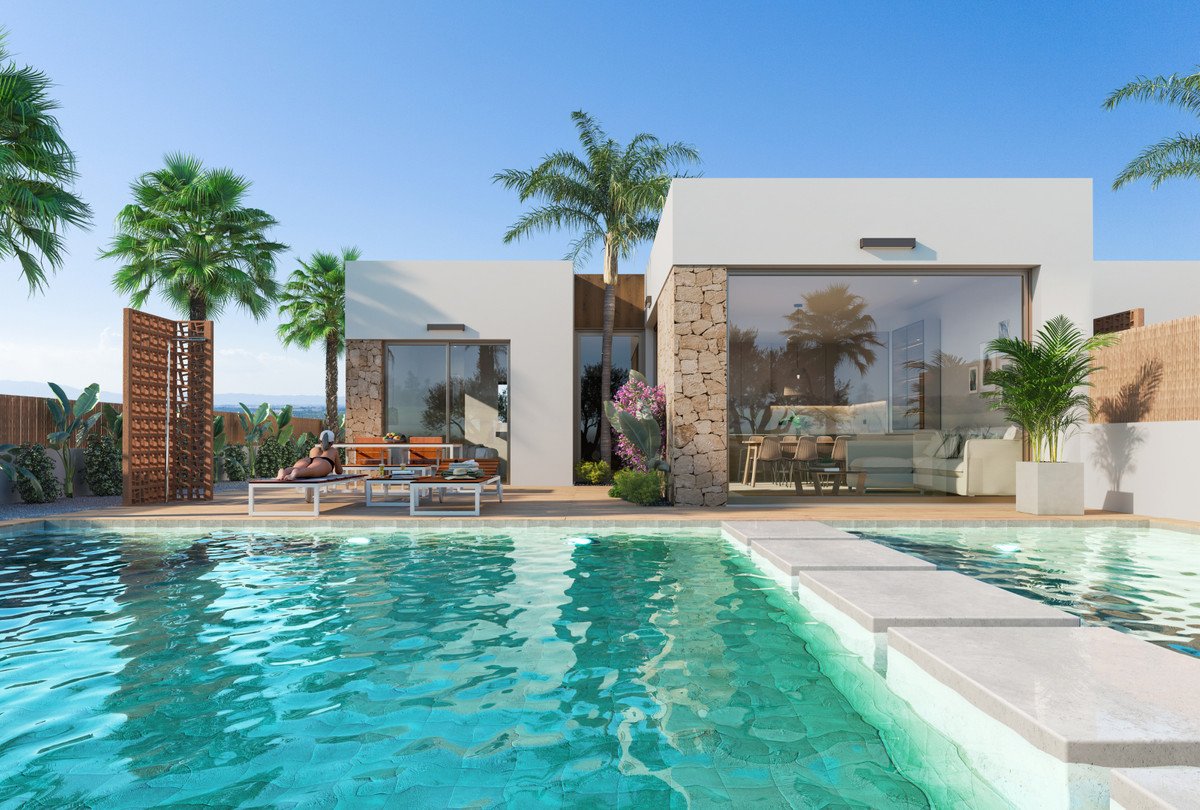
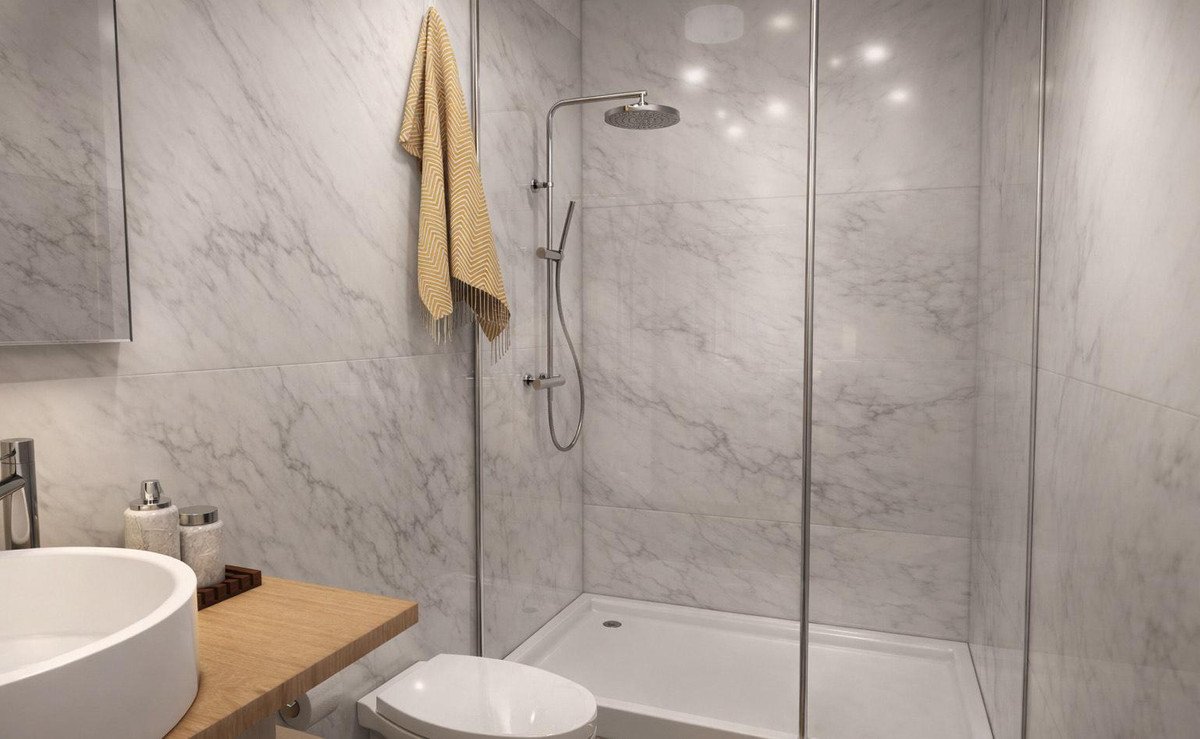
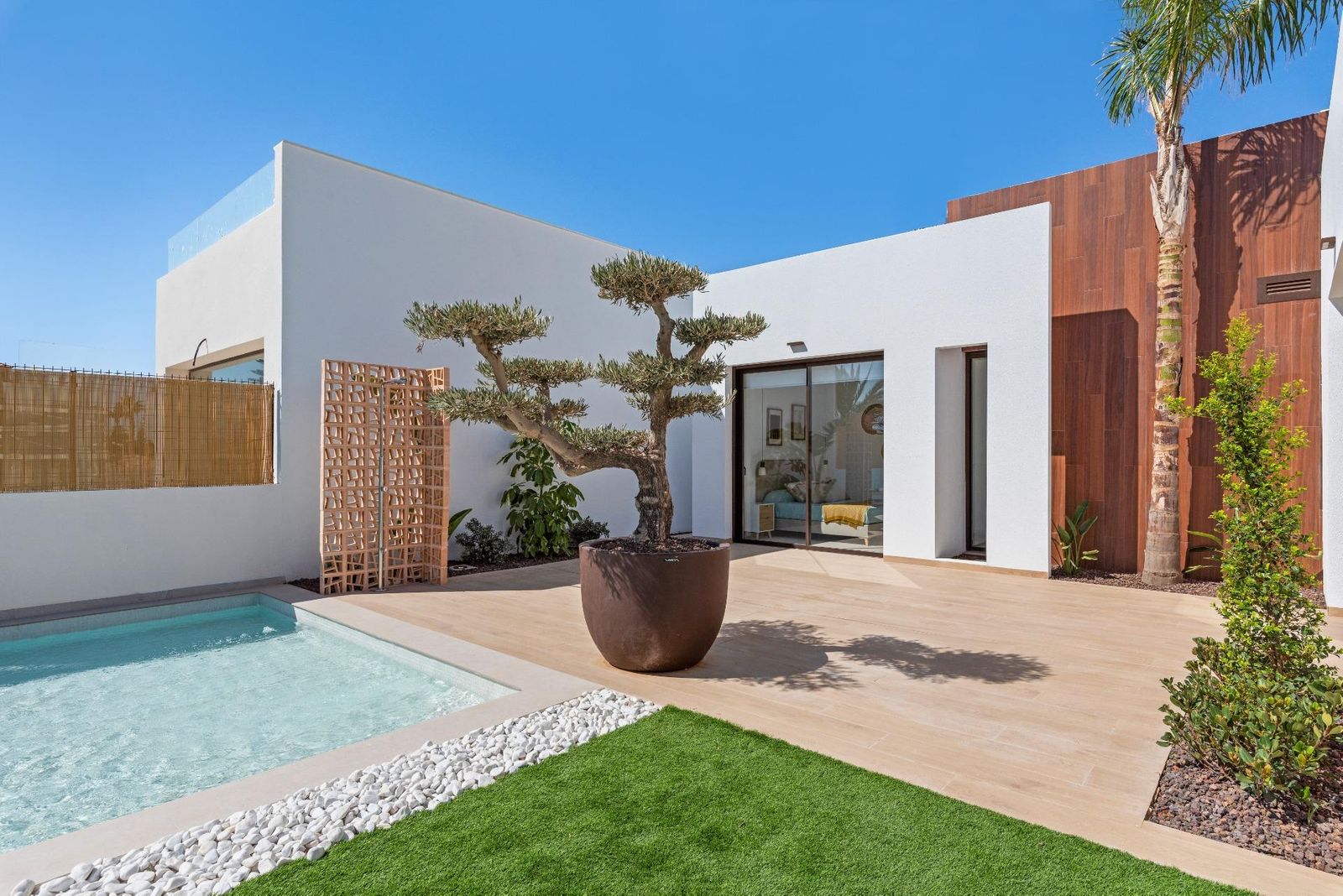
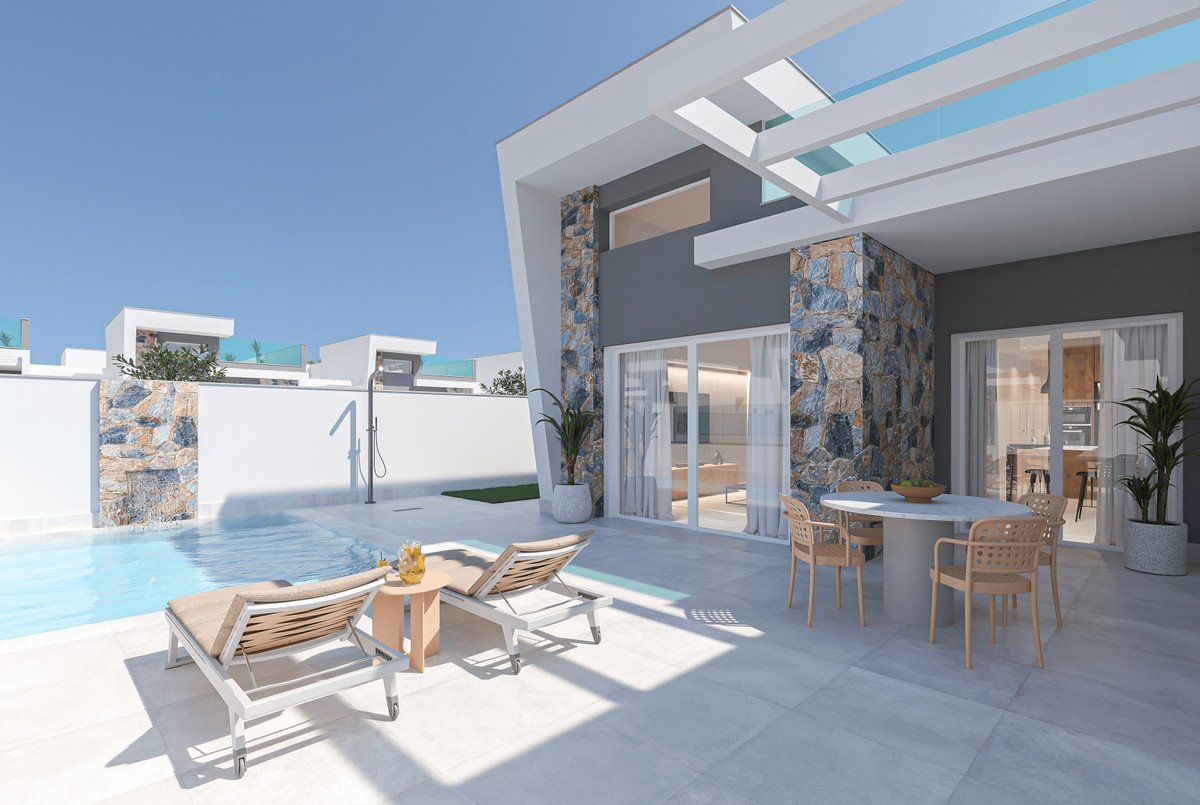
Property types vary, with apartments being the most common, followed by townhouses, bungalows, and duplexes. The market offers a mix of modern, luxury apartments with communal pools and traditional Spanish villas. The prices are generally more accessible than on the Costa del Sol, offering high value for money for those seeking a coastal lifestyle.


 NL
NL EN
EN DE
DE FR
FR ES
ES IT
IT PT
PT DA
DA SV
SV NO
NO FI
FI PL
PL ZH
ZH RU
RU AR
AR TR
TR CS
CS RO
RO HU
HU LT
LT ET
ET BG
BG HR
HR SK
SK HE
HE JA
JA KO
KO HI
HI UK
UK SR
SR EL
EL SL
SL LV
LV ID
ID