
This apartment is situated on Calle Caballero de Rodas in Torrevieja, Alicante. The property is located within a consolidated urban area, offering direct access to city amenities. Completed circa 1970, the residence spans 59 square metres and comprises two bedrooms and one bathroom. Its position allows for pedestrian access to local services and coastal areas. The structure represents a standard residential configuration typical of the mid-20th century development in the region.
Compared to surrounding developments, this property offers an entry-level price point of €149,000, whereas nearby new builds like Palangre Beach and Sun & Center start at €160,000 and €169,000 respectively. The price difference reflects the age of the construction (1970) versus the premiums commanded for new completion. Unlike developments in the Orihuela Costa area, which are often gated communities with pools and gardens, this apartment is part of the organic urban fabric of Torrevieja. This trade-off means sacrificing private communal amenities for superior access to public infrastructure and the city centre. In terms of location, it is closer to the marina and urban beaches than many residential suburbs on the outskirts of Torrevieja. Properties in areas like La Mata often command higher prices due to proximity to natural parks, whereas this location is strictly urban. The value proposition here lies in 'plug-and-play' livability within a busy city, rather than resort-style living or investment in appreciating new-build assets.
Key characteristics of location, homes, project phase and points of attention.
The property is positioned centrally within Torrevieja, approximately one kilometre from the coastline. The immediate surroundings are characterised by residential density and commercial activity. The terrain is flat, facilitating straightforward mobility. Key urban infrastructure, including supermarkets and medical services, is located within a one-kilometre radius, reducing dependence on private transport for daily necessities.
This accommodation addresses the requirements for permanent residency or long-term occupation through its functional layout. The inclusion of two bedrooms provides capacity for small households or guest accommodation. The 59-square-metre footprint offers a manageable living space requiring moderate maintenance. Proximity to essential services such as pharmacies and food retail outlets supports practical daily living without the need for extensive travel.
As a residential property completed circa 1970, the building is in an established state with immediate availability for occupation. No construction phases or completion timelines apply to this project. The structure reflects the architectural standards and materials prevalent during that period. Renovation or modernisation works may be considered depending on the specific condition of the internal systems and finishes.
The property does not feature a communal swimming pool or landscaped gardens often found in modern developments. Outdoor space is limited to the interior square footage. The construction date implies energy efficiency standards differ from current regulations. Parking availability is not guaranteed within the property title and relies on street parking or separate acquisition. The location is urban, not secluded.
This property suits individuals or couples seeking a foothold in a busy Spanish coastal town without the maintenance responsibilities associated with detached villas. It is relevant for buyers prioritising access to amenities over private outdoor space. The central location fits those who do not wish to drive daily, given the walkability of the area. It may appeal to investors targeting the rental market, given the consistent demand for accommodation in Torrevieja. The two-bedroom layout allows for versatility in tenant profiles, from small families to shared occupancy. The property is also suited for residents requiring easy access to healthcare facilities, with a hospital located 3.4 kilometres away and numerous pharmacies nearby. It does not cater to those seeking silence or expansive grounds, as the setting is firmly urban. The lack of a swimming pool on-site indicates a preference for beach or municipal sports centre usage over private leisure facilities.
Constructed in 1970, the building utilises materials and methods standard for that era, typically involving concrete frame structures and brick infill. The internal finish, as suggested by image analysis, includes functional kitchen installations and basic sanitary ware. The presence of wooden floors in the bedrooms indicates an attempt to maintain warmth within the rooms. The kitchen is equipped with essential appliances, including a washing machine, reflecting a practical approach to domestic management. Bathrooms are fitted with shower units rather than bathtubs, maximising space efficiency within the 59-square-metre footprint. Potential buyers should anticipate that energy efficiency metrics, such as thermal insulation and window glazing, likely comply with historical regulations rather than contemporary standards. This may result in higher utility consumption relative to new builds. The structural condition is dependent on maintenance over the past five decades; however, the operational status implies habitability. The aesthetic is utilitarian, focusing on durability rather than decorative luxury.


The price point starts from €149,000 for this 59-square-metre apartment. In the context of the local market, this positions the property within an accessible segment for buyers seeking coastal entry points. Comparable developments in the area, such as Apartments Palangre Beach and Edificio Sun & Center, list prices starting from €160,000 and €169,000 respectively, suggesting this property offers a competitive entry price. Variations in final costs may arise from notary fees, registry charges, and applicable taxes. The 1970 construction date can influence valuation, often resulting in a lower price per square metre compared to new builds, offsetting potential renovation expenditures. The asking price reflects the location's centrality rather than modern luxury specifications.
Life in this part of Torrevieja is defined by its urban character and proximity to the sea. The residence on Calle Caballero de Rodas places the resident within a bustling municipal centre. Mornings typically involve short walks to local bakeries or cafes, with the presence of 168 restaurants within a two-kilometre radius indicating a vibrant dining scene. The flat terrain (1.9% slope to the beach) makes walking the primary mode of transport for errands. The layout supports a routine centred on the city. The 59-metre interior provides sufficient space for indoor living, though the lack of extensive private outdoor areas directs leisure time towards public spaces. The nearby Playa del Cura serves as a focal point for recreation, located just over a kilometre away. The high density of amenities, 26 pharmacies and numerous supermarkets within a short distance, means that logistical needs are resolved quickly. The environment is active, characteristic of a Spanish coastal city with a high expatriate population and year-round tourism. The rhythm is less about secluded relaxation and more about engagement with the city's infrastructure and coastal promenades.
The environment is characterised by high urban density and extensive infrastructure. Torrevieja serves as a major hub on the Costa Blanca, supporting a population nearing 100,000. The surrounding area offers comprehensive services, including the Palacio de Deportes Infanta Cristina and the Real Club Náutico, both located within 1.5 kilometres of the property. The street network connects the apartment directly to the city centre, while the N-332 and AP-7 motorways provide links to Alicante and Murcia. Public transport is robust, with 12 bus lines and 50 stops servicing the municipality, facilitating movement without a car. The proximity to the coast is a defining infrastructural element, with Blue Flag beaches like Playa del Cura accessible on foot. The urban fabric includes a mix of residential blocks and commercial units, ensuring that services such as banks, dentists, and cafes are interspersed throughout the neighbourhood. This creates a self-contained living environment where daily necessities are met within the immediate vicinity.
The map highlights the central position within Torrevieja, specifically on Calle Caballero de Rodas. The proximity to the main arterial roads leading to the N-332 is visible. Blue markers indicate the nearby beaches of Playa del Cura and Acequión. The distribution of supermarkets and pharmacies in the immediate vicinity demonstrates the density of amenities. The location is clearly defined as an urban enclave close to the marina.

Approximate area · exact address shared on request
Torrevieja is situated on the southern Costa Blanca in the province of Alicante. It lies equidistant from the major metropolitan areas of Alicante (44 km north) and Murcia (39 km southwest). This positioning allows the city to function as an independent residential hub while maintaining connectivity to these larger economic centres. The location is distinct from the more tourist-centric Benidorm to the north or the rural interior of the Vega Baja. It serves as a satellite municipality for the Orihuela Costa region. The proximity to the salt lakes creates a natural boundary separating it from adjacent towns, concentrating development in a compact urban strip along the coast.
The nearest coastline, Platja del Cura, is situated 1.3 kilometres away, a walkable distance of approximately 15 minutes. Grocery shopping is highly convenient, with a supermarket located 354 metres from the entrance. For international travel, Alicante-Elche Airport is the primary hub, located roughly 35 kilometres away by road. Golf facilities require transport; Club de Golf Villamartín is 8.7 kilometres distant, while Real Club de Golf Campoamor is 10 kilometres away. Medical care is accessible through a nearby pharmacy (576 metres) and the general hospital at 3.4 kilometres. The port area and marina are within one kilometre, providing access to maritime activities.
| Beach Distance | 1.2 km |
| Alicante-Elche (ALC) | 35 km |
| Valencia (VLC) | 168 km |
Source: OpenStreetMap, Google Maps


The local climate is classified as semi-arid Mediterranean, characterised by low rainfall and high temperatures. Torrevieja records approximately 3,854 sun hours annually, supporting an outdoor lifestyle. The average yearly temperature is 18.7°C, with summer peaks often exceeding 30°C. The swimming season extends for five months, typically from May to October, when water temperatures remain at or above 20°C. The property sits at an elevation of 22 metres above sea level on terrain that slopes gently (1.9%) towards the coast. This elevation contributes to air circulation. The presence of the nearby salt lakes influences the humidity levels, which are generally comfortable. The region experiences mild winters, making it feasible for year-round occupation.
Source: Open-Meteo (2020–2025 average)
The coastline adjacent to Torrevieja features multiple Blue Flag beaches, including Playa del Cura and Los Locos, recognising water quality and service standards. These beaches offer golden sand and facilities such as lifeguards and chiringuitos. The marina provides mooring services and is a centre for nautical activities. Inland, the golf courses of Villamartín, Campoamor, and Las Ramblas form a triangle around the city, offering varied layouts for players. However, these are located 8 to 11 kilometres away, necessitating a vehicle or taxi. For urban sports, the city hosts numerous sports centres, including the Infanta Cristina Palace and local gyms like Snatch Fitness Center. The high density of restaurants and cafes also supports a vibrant social recreation scene.
Source: Blue Flag 2026, OpenStreetMap

Torrevieja is a Mediterranean-seaside city and municipality on the Costa Blanca, in the province of Alicante, Valencian Community, in southeastern Spain. The city is in one of the only Spanish-speaking areas of the Valencian Community.
| Month | Avg. Temperature | Rainfall |
|---|---|---|
| January | 11.9°C | 23 mm |
| February | 12.6°C | 14 mm |
| March | 14.6°C | 26 mm |
| April | 16.6°C | 23 mm |
| May | 19.7°C | 15 mm |
| June | 23.2°C | 12 mm |
| July | 26.1°C | 1 mm |
| August | 26.4°C | 12 mm |
| September | 23.7°C | 52 mm |
| October | 20.1°C | 26 mm |
| November | 15.6°C | 37 mm |
| December | 12.3°C | 30 mm |
Flat
Ref: VL820668
Source: Wikipedia, Wikidata, INE, Junta de Andalucía
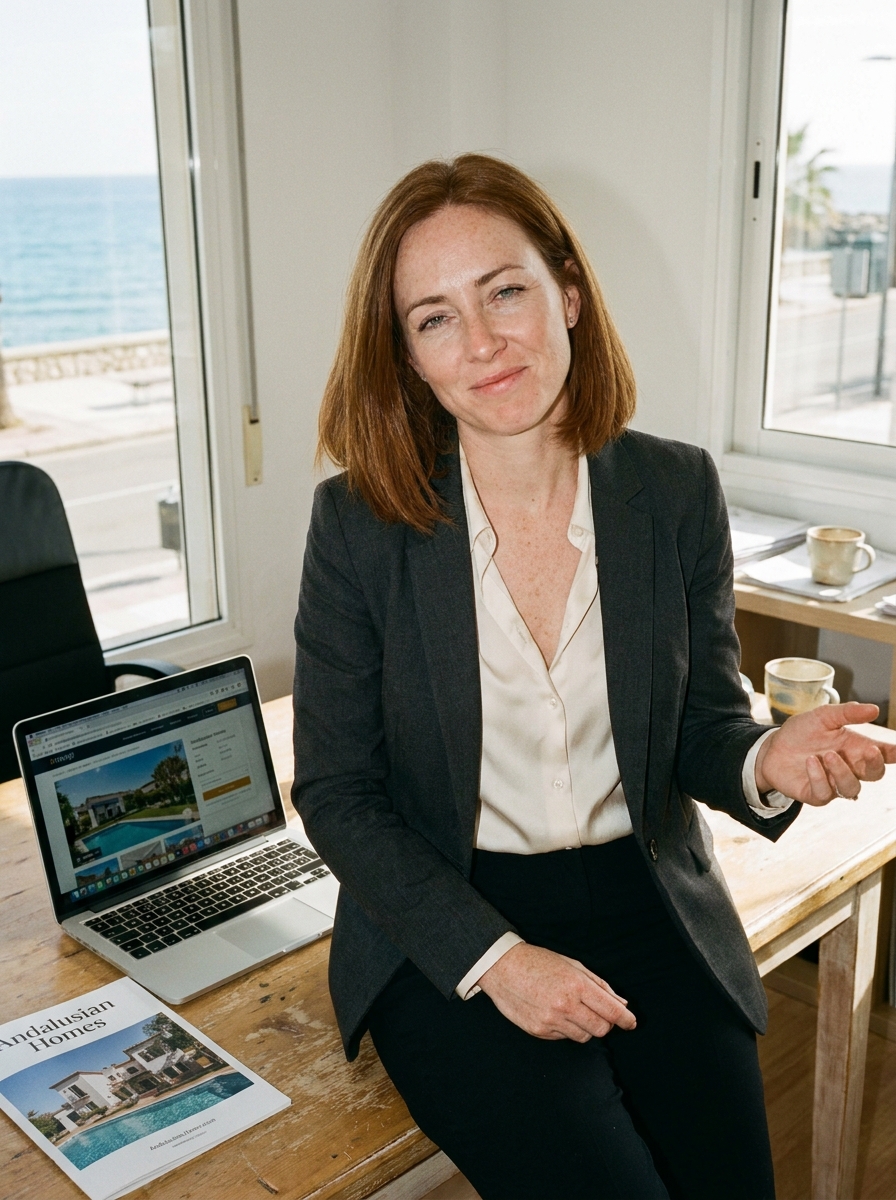
With years of experience, Emma Whitfield expertly guides English-speaking clients through the intricacies of the Spanish property market. Her dedication ensures a smooth journey.
AI-assisted multilingual representative. Your inquiry is handled by the team behind this site.
Interested?
Leave your details and we will contact you shortly with more information about this project.



 NL
NL EN
EN DE
DE FR
FR ES
ES IT
IT PT
PT DA
DA SV
SV NO
NO FI
FI PL
PL ZH
ZH RU
RU AR
AR TR
TR CS
CS RO
RO HU
HU LT
LT ET
ET BG
BG HR
HR SK
SK HE
HE JA
JA KO
KO HI
HI UK
UK SR
SR EL
EL SL
SL LV
LV ID
ID